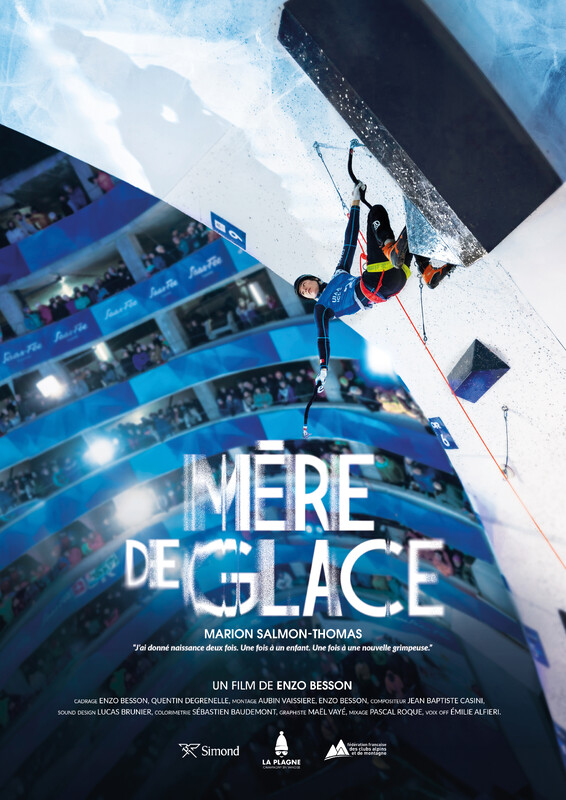
Ice climber Marion Salmon-Thomas wants to become a mother while continuing her athletic career. Enzo Besson's documentary brings training, family life and the return to the wall together in two intertwined journeys of change.
Director
Enzo Besson
Country
France
Running time
00:40:00
3 October 2026 · Ciro Sorrentino, Co-Director
An ice axe searches for a hold, crampons support the weight, and the body finds a position from which to move on. In Mère de glace, Enzo Besson's French documentary submitted to the International Sport Film Festival 2026, these gestures accompany the story of Marion Salmon-Thomas. The athlete faces a question that concerns her life before it concerns the competition calendar: how can the desire to have a child coexist with the determination to keep practising sport at the highest level?
Marion has been a member of the French ice climbing team since 2017. The film traces her relationship with movement, which began in rock climbing and developed through ice axes and mixed routes. It explores both the discipline of each gesture and the place that climbing occupies in her identity. For someone accustomed to understanding her body through training and competition, pregnancy introduces different rhythms, sensations and questions.
The narrative interweaves the periods before and after the birth. Training during pregnancy, adapting activities and becoming familiar with the wall again after childbirth form parts of the same journey. Marion's voice accompanies meetings with training specialists and a physiotherapist, exercises and attempts. Her words remain connected to everyday situations: breathing, physical work and the patience needed to return to a familiar movement. This is the protagonist's individual experience, told through its particular circumstances.
Alongside the sporting spaces are the home, the child and the organisation of family life. The film observes how these dimensions meet: caring and training share the hours of the day, while the relationship with the body is renegotiated. Marion also contributes to the writing and is credited as the producer, bringing her perspective into the construction of the narrative as well as its testimony. The question of motherhood and career takes shape through one person and the relationships around her.
The sporting dimension emerges in the details of holds, equipment and positions on the structure. Wider shots show the climbing space and the relationship between athlete and wall; closer views follow the body's work. The journey also enters the competition environment at Saas-Fee, Switzerland, through preparation, waiting and the passage into the arena. The documentary alternates these moments with family scenes, conversations and diary entries, moving between the public time of the competition and the personal time of recovery.
Water and ice recur in the images alongside the theme of a changing body. Over the film's forty minutes, pregnancy and the return to activity echo one another without becoming identical: both demand adaptation, but each brings different needs. Mère de glace invites viewers into the life of an athlete trying to make room for two desires. The wall is still in front of her, while the way she approaches it and the life from which each attempt begins are changing.
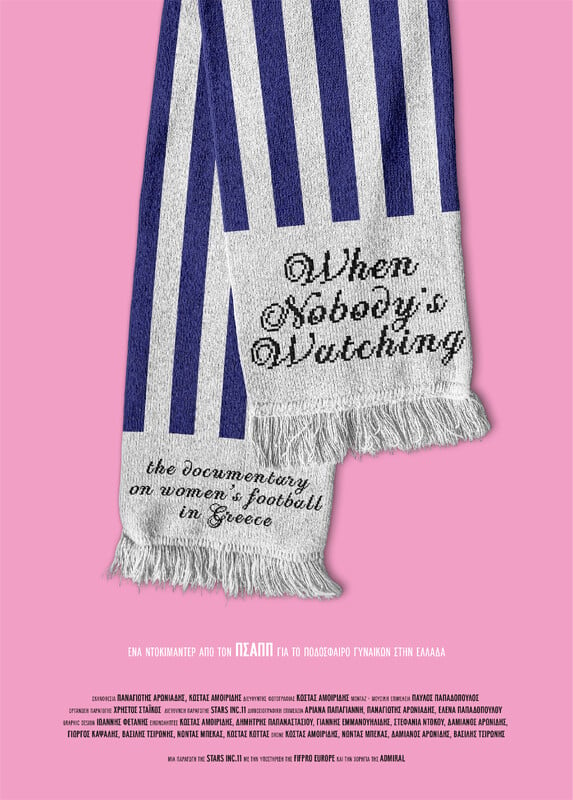
Greek women footballers share what happens between matches: work, training, family life and the search for opportunities. When Nobody's Watching follows these lives and brings them into dialogue with players' experiences abroad.
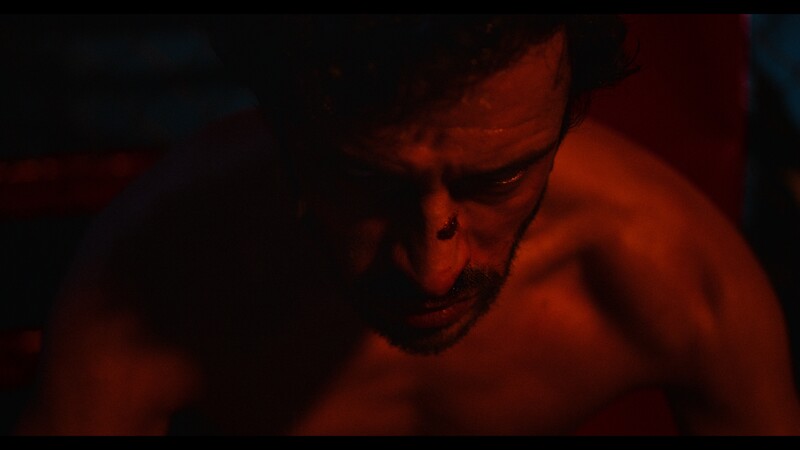
A terminally ill father, a daughter to protect and a boxing match: Shane Jonathan Collins's short film Percheron brings together family bonds, debt and physical danger.
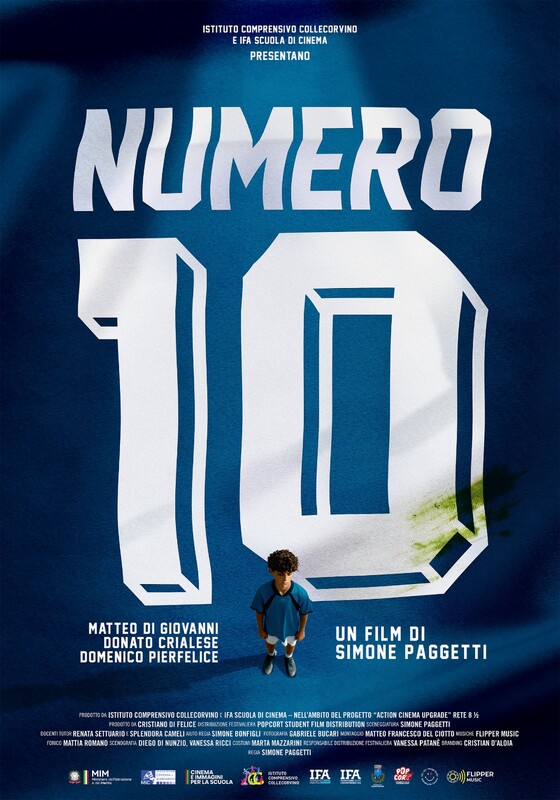
A youth football match seen from the perspective of someone who feels he must please everyone: Simone Paggetti's Numero 10 explores the weight of expectations across the pitch, changing rooms and stands.