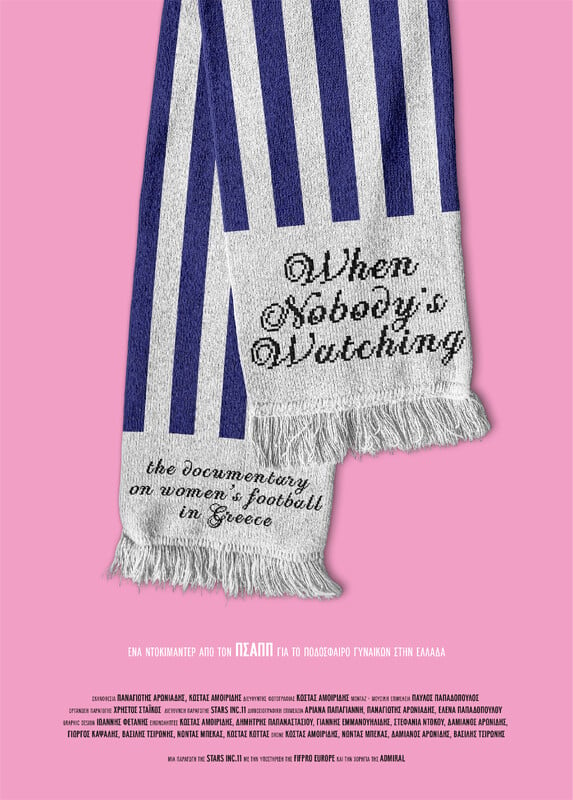
Greek women footballers share what happens between matches: work, training, family life and the search for opportunities. When Nobody's Watching follows these lives and brings them into dialogue with players' experiences abroad.
Director
Panagiotis Aroniadis Dimou, Konstantinos Amiridis
Country
Greece
Running time
01:30:00
3 October 2026 · Ciro Sorrentino, Co-Director
A footballer's day can begin while the pitch is still far away: an alarm before dawn, a factory shift and the journey to training. When Nobody's Watching, a Greek documentary by Panagiotis Aroniadis Dimou and Konstantinos Amiridis submitted to the International Sport Film Festival 2026, enters this part of the day. Across its ninety minutes, football is told through the people who play it and the circumstances that enable them to keep playing.
The starting point is the athletes' voices. They remember their first footballs, courtyards and games with their brothers; they also recall families who would have preferred them to pursue other activities. From these memories, the film moves into present lives in which passion must find room among working hours, journeys and responsibilities. Experiences differ: resistance and encouragement coexist, while each player explains the place she wants football to occupy in her life.
The investigation unfolds in Greece and other European countries. Eleni Markou in Basel and Veatriki Sarri in Brighton introduce a comparison with environments where football becomes a profession. The documentary follows them in training and recovery spaces, as well as at home and in everyday relationships. Distance from Greece emerges through conversations, memories and contact with people left behind. Sporting opportunities also have an emotional geography: moving abroad means changing teams, habits and the closeness of family life.
Other sequences follow the need to combine a job with sport. Factory and laboratory work, car journeys and meetings with teammates belong to the same day that will eventually lead to the pitch. The images observe these transitions and the pauses between them: a drink prepared before leaving, a journey on public transport and a few jokes after work. Within this organisation of time, testimony about the conditions of women's football takes on a concrete dimension.
Family also takes different forms. Stella Ntzani talks about the relationship between motherhood and the desire to play, while domestic life brings her child and his questions into the film. Eirini Karagianni and her father Aris reveal another relationship: travelling to a match and taking a seat in the stands become gestures of support. The narrative explores both the difficulties and the help surrounding a sporting choice, allowing the protagonists' experiences to remain distinct.
Health, the availability of facilities and access to training support are further themes explored through the players and the documentary's other contributors. The film connects their accounts with changing rooms, structures, exercises and recovery routines. Carli Lloyd also appears at a public gathering. The picture widens from the individual team to questions of recognition, resources and the possibility of building a career, keeping the people living with those circumstances at its centre.
When Nobody's Watching is produced by Stars Inc.11 with PSAPP, the Greek football players' union, and support from FIFPRO Europe. Filming followed the protagonists for almost two seasons. Interviews in their surroundings alternate with observed situations, training and matches; the settings include homes, workplaces, changing rooms and stadiums. Konstantinos Amiridis is also credited with cinematography, while Pavlos Papadopoulos is the editor. This ensemble structure allows the film to move between personal journeys and shared themes.
The title evokes the part of sporting experience that receives less public attention. The documentary enters it through the work needed to reach a training session, the desire to be recognised as footballers and the relationships accompanying a career. For viewers encountering these stories, the pitch becomes the place where days and decisions that began elsewhere converge. Watching a match can also mean discovering something of the lives that made it possible.
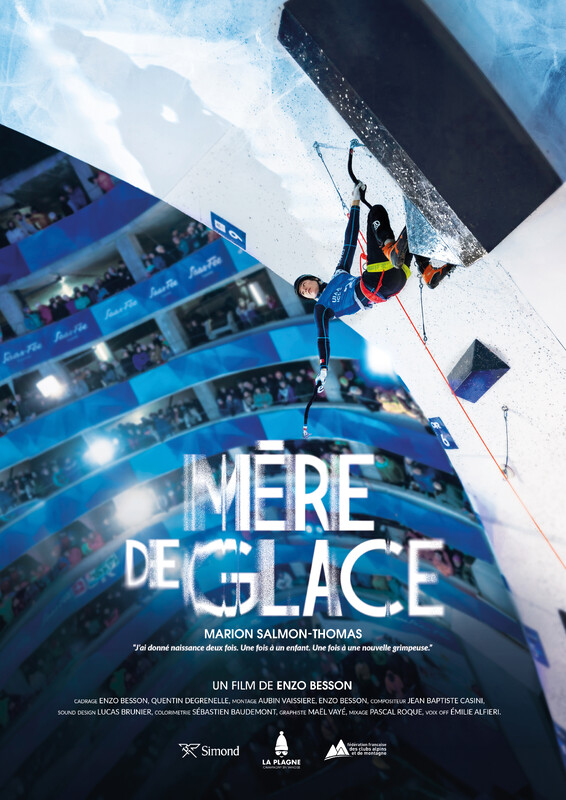
Ice climber Marion Salmon-Thomas wants to become a mother while continuing her athletic career. Enzo Besson's documentary brings training, family life and the return to the wall together in two intertwined journeys of change.
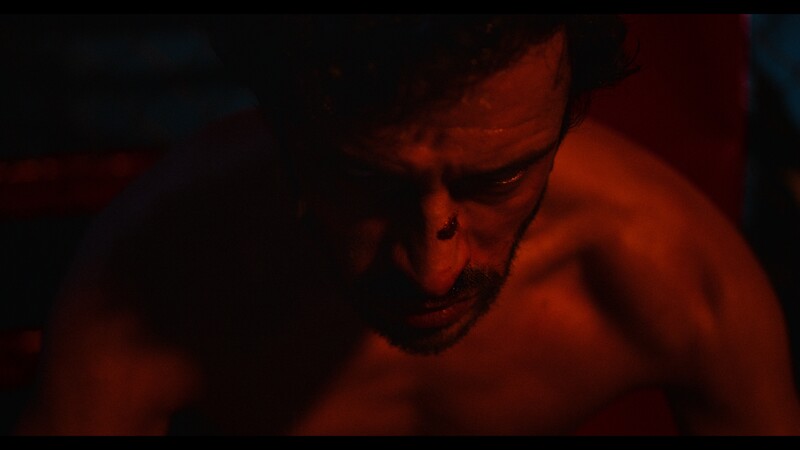
A terminally ill father, a daughter to protect and a boxing match: Shane Jonathan Collins's short film Percheron brings together family bonds, debt and physical danger.
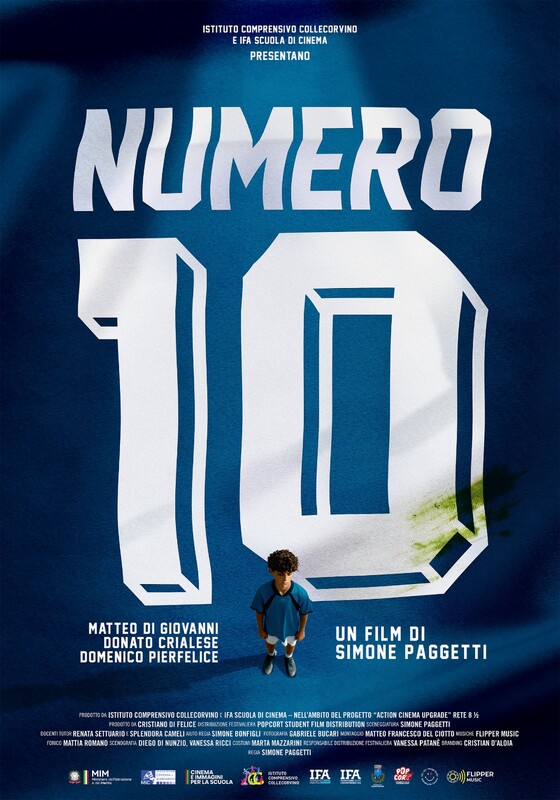
A youth football match seen from the perspective of someone who feels he must please everyone: Simone Paggetti's Numero 10 explores the weight of expectations across the pitch, changing rooms and stands.