In Torgelow, FC Pio brings together young players from different backgrounds. Loraine Blumenthal's documentary follows the players and their coach Eichi through football, work, migration and a confrontation with his far-right past.
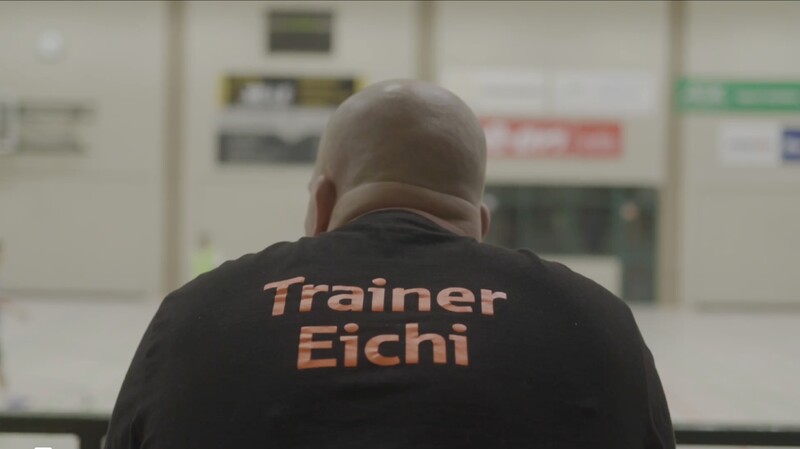
In Torgelow, in Mecklenburg-Western Pomerania, FC Pio is a football team made up of young people from different backgrounds, many of whom have left their home countries seeking protection. Im Osten was Neues, also known by its international title Changing Sides, is Loraine Blumenthal's documentary following the group and their coach, Thomas “Eichi” Eichstädt. Made in Germany in 2025, it runs for 82 minutes.
For Eichi, coaching means organising drills and matches, discussing positions and asking the players to take responsibility for their teammates. Their relationship continues beyond the pitch, where conversations concern finding work, obtaining documents and the possibility of staying together. The coach also has a family to support and is seeking paid employment that would allow him to continue his community work.
The film also follows individual lives. Asad Matsagov approaches adulthood while navigating friendships, school, administrative procedures and the search for a work placement. Thomas Bundu, originally from Sierra Leone, recounts his journey to Europe, racist insults and his wish to return to work as an electrician. His family life and uncertainty over residence documents form part of the story alongside training sessions.
Eichi's far-right past is one of the documentary's central subjects. The coach revisits his involvement in racist intimidation and violence and considers how to discuss it with his players. Their experiences and reactions have a place in the film: some recount threats and assaults they have faced, while others discuss the relationship between that past and the person they know today.
The narrative alternates training sessions, tournaments and changing-room conversations with scenes in homes, on the streets and in the places the young players spend time. Personal accounts sit alongside observations of everyday life. The team also changes as young Ukrainians join, bringing gestures of welcome and difficulties in communication. Football becomes part of a story encompassing family, school, work and relationships with local institutions.
Written and directed by Blumenthal, the film is produced by inselfilm produktion, with Gregor Streiber and Friedemann Hottenbacher as producers. Cinematography is by Anke Riester and Christian Trieloff. The production involves ZDF – Das kleine Fernsehspiel and support from MV-Filmförderung. The production company's official trailer accompanies this presentation.
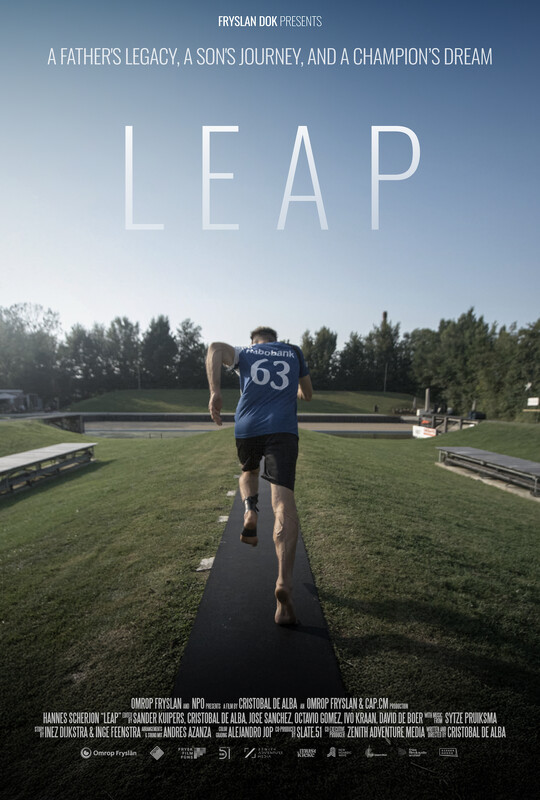
Hannes Scherjon prepares to return to the Frisian fierljeppen championship as he is about to become a father. Cristobal De Alba’s documentary follows sport, traditional craftsmanship and family memory in the landscapes of Friesland.
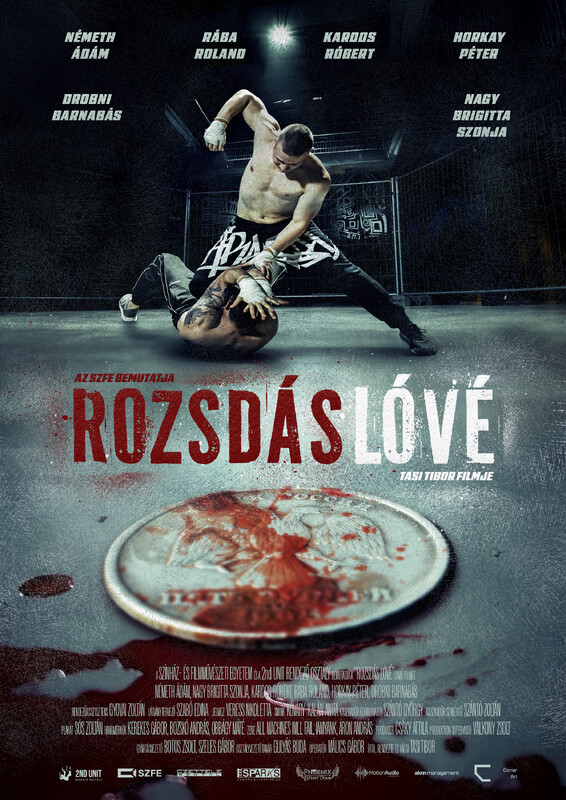
A fighter tries to settle a debt and leave illegal bouts behind: Rozsdás lóvé, also known as Dirty Change, is Tibor Tasi’s graduation short at Budapest’s SZFE.
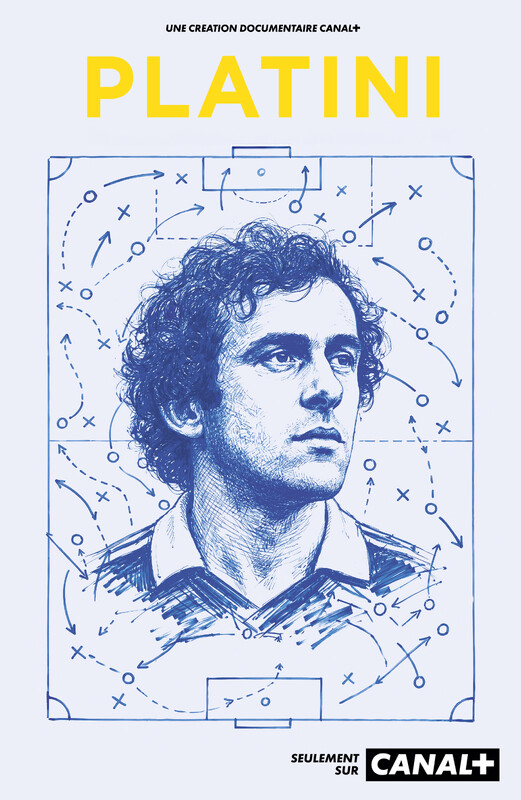
Michel Platini revisits his life in Guillaume Priou’s documentary series: six episodes combining interviews, archive footage and returns to familiar places, from Jœuf to Juventus and football’s governing institutions.