
2026 · SUBMITTED FILM
Rozsdás lóvé
A fighter tries to settle a debt and leave illegal bouts behind: Rozsdás lóvé, also known as Dirty Change, is Tibor Tasi’s graduation short at Budapest’s SZFE.
Discover the film
Adam Taïeb uses artificial intelligence to reconstruct the final minutes of Wilt Chamberlain’s hundred-point game. A fictional short connecting a documented event, the absence of known footage and the cinematic memory of sport.
The game belongs to basketball history; the images in 100 are a reconstruction made with artificial intelligence. In the short film written, directed and produced by Adam Taïeb, AI gives visual form to fiction inspired by the final minutes of the game in which Wilt Chamberlain scored one hundred points. The film imagines gestures and conversations: it does not present rediscovered authentic footage of that night.
The historical reference is March 2, 1962, when the Philadelphia Warriors faced the New York Knicks in Hershey, Pennsylvania. No moving footage of that game is known to survive. Other records remain, including photographs, statistics and radio coverage of the fourth quarter, which was added to the Library of Congress National Recording Registry. The memory of the event has therefore been passed on without a moving-image recording of it.
Taïeb’s project occupies that absence. The director describes the short as an attempt to imagine what those minutes might have looked like. Its starting point is documented, while its representation on screen belongs to cinematic staging. The use of real people and events should be understood within this distinction, without treating every line or action as historical testimony.
The narrative situation centres the conflict on Chamberlain: in the reconstruction, he has reached 89 points and wants to stop, while those around him want him to continue. Teammates and opponents respond to the possibility of the record through requests, resistance and jokes. The film follows this narrow interval, in which an individual achievement changes the expectations placed on the player and the behaviour of the people on the court.
The relationship between cinema and sport also concerns how an event is made visible. Generated images allow a cinematic version to be constructed of something we cannot watch through footage of the game; this makes recognising the reconstruction as such necessary. The record and the sources documenting it remain distinct from the choices through which the short film tells its story.
Running for four minutes and eleven seconds, 100 places an episode in sporting history alongside a contemporary way of producing images. Adam Taïeb’s writing and direction organise an AI-made fiction around that event: a representation to encounter with an awareness of which elements belong to history and which to its cinematic interpretation.
2026 · SUBMITTED FILM
A fighter tries to settle a debt and leave illegal bouts behind: Rozsdás lóvé, also known as Dirty Change, is Tibor Tasi’s graduation short at Budapest’s SZFE.
Discover the film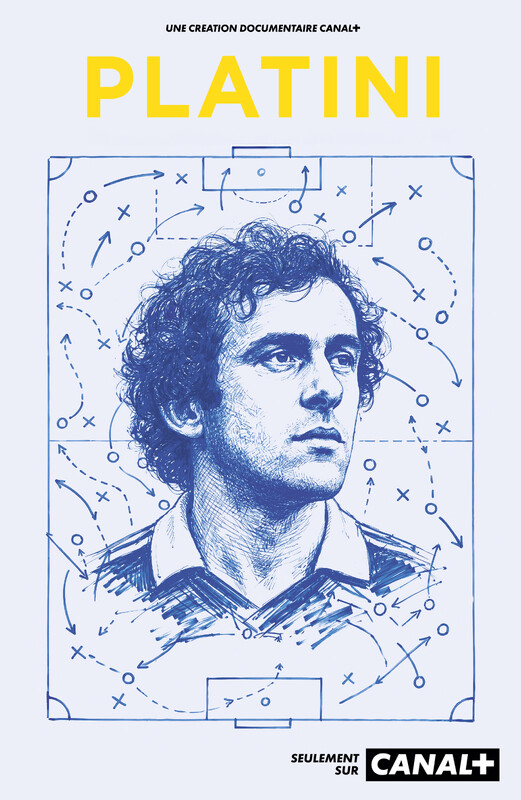
2026 · SUBMITTED FILM
Michel Platini revisits his life in Guillaume Priou’s documentary series: six episodes combining interviews, archive footage and returns to familiar places, from Jœuf to Juventus and football’s governing institutions.
Discover the film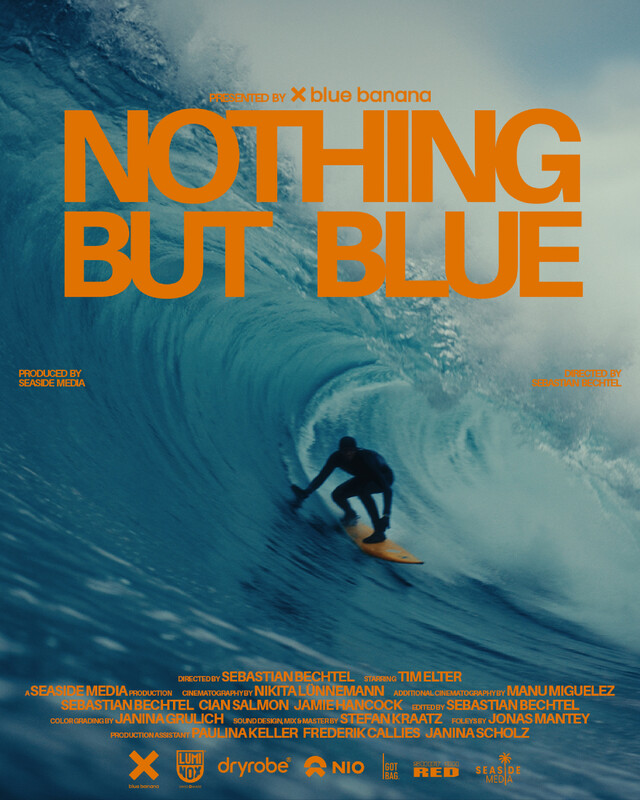
2026 · SUBMITTED FILM
Sebastian Bechtel follows surfer Tim Elter through the Canary Islands, Portugal and Ireland. The search for waves intertwines with preparation, memories and reflections on fear and the desire to return to the water.
Discover the film