2026 · SUBMITTED FILM
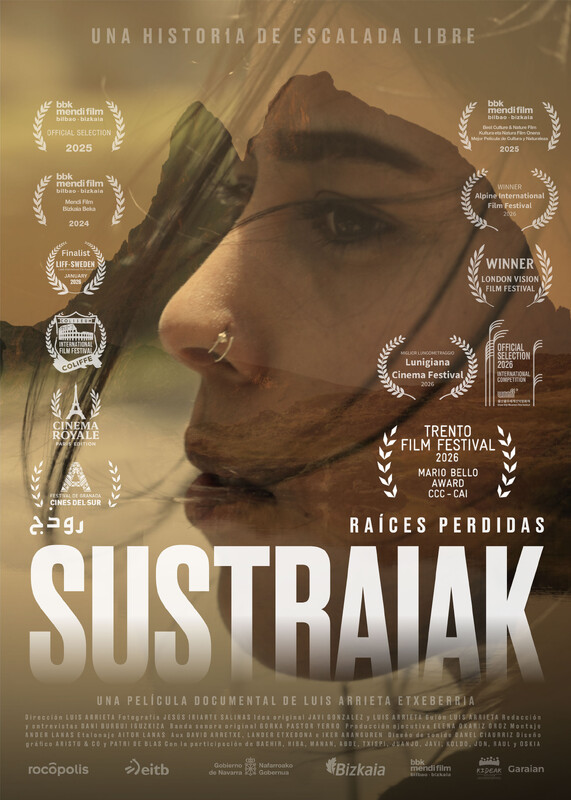
SUSTRAIAK, raíces perdidas.
Hiba, Bachir and Manan share climbing as they build their lives in Navarre. Luis Arrieta Etxeberria follows them through training, work, learning and family ties.
Discover the film
A season with the footballers of Invictus Sant’Antonio Abate Women, through training, matches and work. Emanuele Vitale follows the everyday commitments and relationships accompanying the team’s journey.
The alarm clock, work at the dairy, the pitch where children train and the one shared with teammates. In Per noi stesse - vince chi vuole vincere, Emanuele Vitale follows a season with Invictus Sant’Antonio Abate Women. The calendar includes the league and the Coppa Italia Eccellenza; the footballers’ days also include work, study and the travel needed to get to training.
The documentary enters the team’s spaces: the pitch, the bench and the changing room. Match action alternates with interviews with the players and coach Giuseppe Rosi, who describes his arrival and his work with the group. Instructions during matches and conversations at half-time accompany preparation and encounters with opposing teams.
Away from competition, one player shows how she divides her time. Processing milk at the dairy precedes a move to the pitch, where she coaches children. These activities involve schedules, tasks and people to look after, alongside her commitment to her own team. Her teammates’ accounts add further stories about the relationship between their passion for football and everyday life.
Maryna Pohribiniak speaks about difficulties associated with the war and the support she has received from the other players. Her account is accompanied by Italian subtitles. Other testimonies focus on shirt numbers: 17 and 8 are connected to the memories of two different people. The film gathers personal stories that enter the conversations and relationships within the group.
The footballers also discuss differences they have experienced in women’s football and the prejudices they have encountered. Organising commitments, making time for sport and expectations placed on women are part of their accounts. Their words sit alongside images of training and work, following what each must do to keep taking part in the team.
Matches take the documentary through daylight pitches, night-time rain and spectator stands. The journey includes away trips by coach and ferry, waiting and encounters with supporters. The season is also told through the players’ reactions and the gestures with which teammates seek each other out and offer comfort after a match.
Alongside competitive goals, Per noi stesse follows time spent together and time devoted to individual commitments. In the protagonists’ accounts, playing means organising their days, training and coming together again on the pitch. Vitale’s documentary accompanies these activities throughout a season, between the responsibilities of everyday life and belonging to the team.
2026 · SUBMITTED FILM
Hiba, Bachir and Manan share climbing as they build their lives in Navarre. Luis Arrieta Etxeberria follows them through training, work, learning and family ties.
Discover the film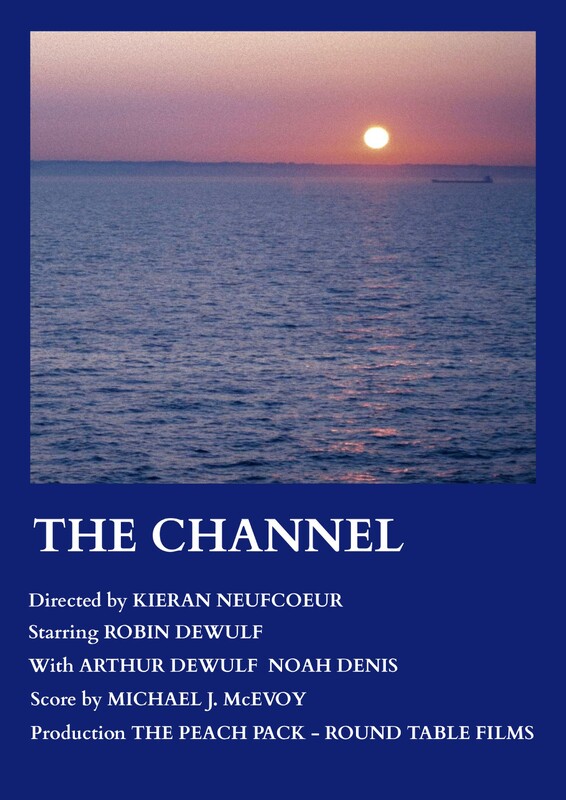
2026 · SUBMITTED FILM
Robin attempts to swim across the English Channel. Kieran Neufcoeur follows the preparation, the journey and the conversations with the team supporting him from the boat.
Discover the film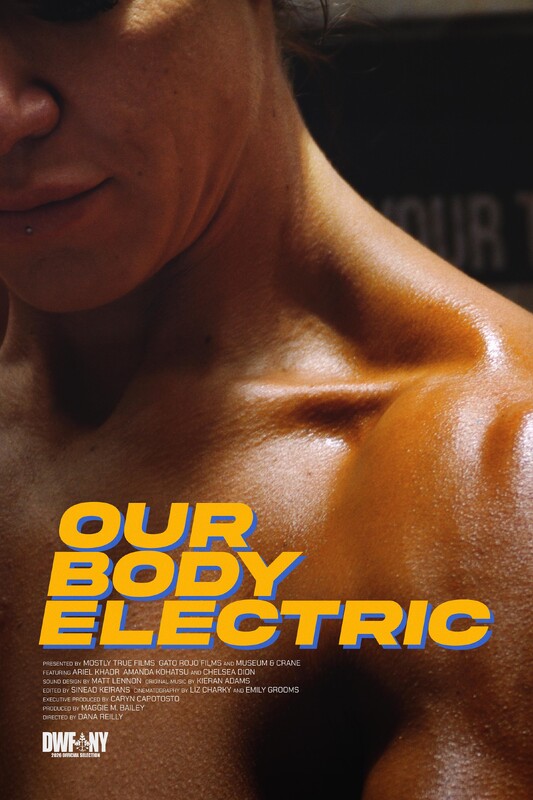
2026 · SUBMITTED FILM
Dana Reilly follows a season with Ariel Khadr, Amanda Kohatsu and Chelsea Dion, encompassing preparation for the Olympia, work, relationships and family plans.
Discover the film