

Headwinds
Manuel Camia
Official selection
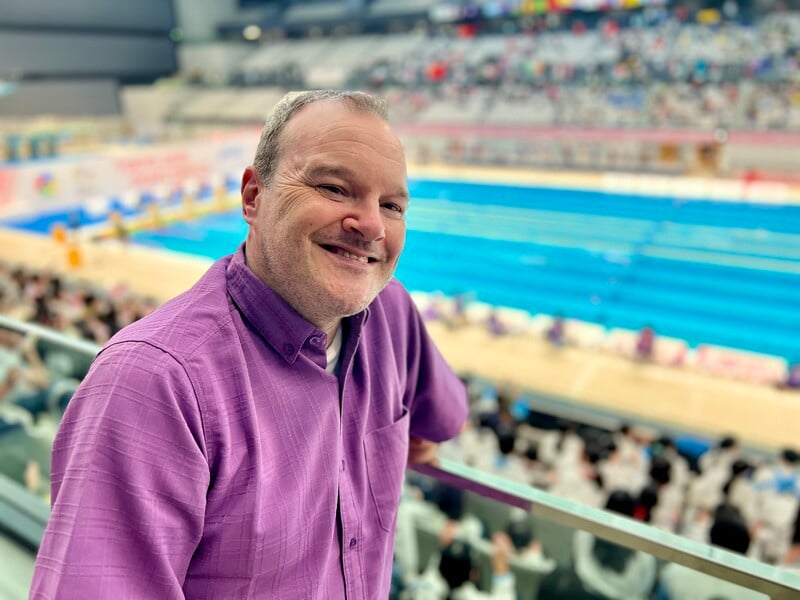
Presenter Paul Carter explores the Tokyo Deaflympics, meeting athletes, spectators and inventors working with new accessibility technologies.
What is it like to follow a sporting event when the starting signal, commentary or crowd reaction is communicated mainly through sound? In this episode of BBC TechXplore, presenter Paul Carter visits the Tokyo Deaflympics to meet athletes, fans and people working to make sport more accessible.
The journey begins at the swimming pool, where visual starting signals replace an audible cue. Carter meets American swimmers and tries glasses with a spectator that display information about the competition. In table tennis and judo, images and tactile devices translate moments of play into different forms.
The encounters continue beyond the venues. A Finnish athlete accompanies the presenter on a journey through the city, exploring ways to travel and communicate. The programme pays attention to the people using or testing these tools as well as to the technology itself: needs change with the setting and activity.
In judo, a wearable device conveys collisions through vibration; in table tennis, graphics suggest another way to follow the action. These are tools shown and tested in the report, not a claim that one solution answers every person’s needs in the same way.
In the form of a report, TechXplore combines conversations with practical demonstrations, moving from swimming to badminton, athletics and golf. The Deaflympics provide a starting point for exploring participation, information and everyday life. The British work runs for approximately 22 minutes.